
Get expert heart care across Melbourne with experienced cardiologists and minimal wait times for appointments.
Find a cardiac specialist or doctor
If you are experiencing any cardiac symptoms: chest pain, palpitations, shortness of breath. dizziness or fainting or signs of heart failure (swollen ankles, unable to lie flat or waking short of breath) you should contact your GP or present to an emergency department for assessment.
If you require urgent attention dial 000 (Triple Zero) and ask for an Ambulance.
On this page:
When should you see a specialist or doctor?
You may want to see a cardiologist if you are experiencing:
- Chest pain or tightness
- Palpitations or irregular heartbeat
- Shortness of breath
- Dizziness or fainting
- Ongoing fatigue or reduced exercise tolerance
- Swelling in the legs or ankles
Not sure? A cardiologist can assess your symptoms and provide the right diagnosis and treatment plan.

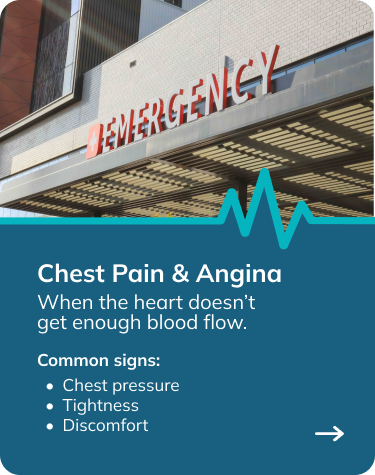
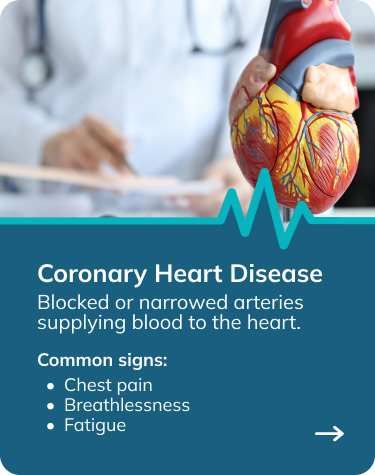
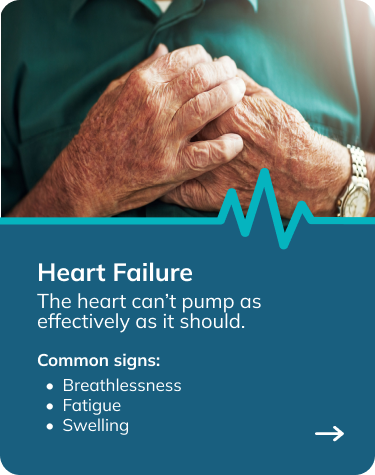
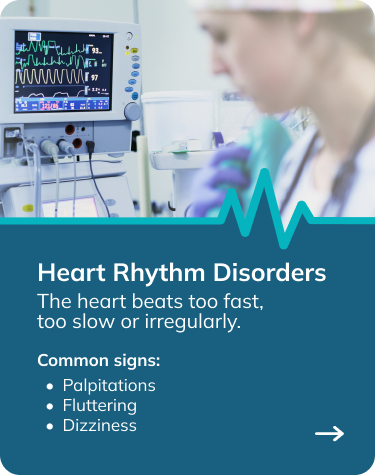
Conditions we commonly treat
If you are experiencing heart related symptoms or have been diagnosed with a heart condition, you can find out more information below.
Not sure yet? A cardiologist can help assess your symptoms.
Your next steps to see a specialist or doctor
If you are experiencing non-urgent new or ongoing heart-related symptoms, here is what to do next.
If you require urgent medical attention, dial 000 (triple zero) and ask for an ambulance immediately.
1. Start with your GP
They can assess your symptoms, organise initial tests, and refer you to the most appropriate cardiac specialist or doctor if needed.
2. Find the right specialist or doctor
Use our Specialist & Doctor Search to view cardiac specialists / doctors near you.
4. Book your appointment
Once you’ve chosen a specialist or doctor, contact their rooms directly using the details listed. Your GP referral will help ensure you see the most appropriate doctor for your needs.
4. Prepare for your visit
Bring your referral, a list of current medications and any recent test results.
Who should I see?
Not sure which type of specialist or doctor you may need to see? Your GP will refer you to the relevant specialist or doctor based on your symptoms. Read more about the different speciality areas within cardiology below.
General Cardiology
General cardiologists diagnose and manage a wide range of common heart and vascular conditions. They’re often your first point of contact for heart concerns and symptoms. You can see a general cardiologist with a GP referral.
Symptoms they can help with:
Chest pain or pressure, breathlessness, palpitations, dizziness, fatigue, swollen ankles or legs, reduced exercise tolerance.
Common conditions they can help with:
- High blood pressure (hypertension)
- High cholesterol
- Coronary artery disease
- Heart failure and cardiomyopathy
Interventional Cardiology
Interventional cardiologists perform minimally invasive procedures to treat narrowed or blocked heart arteries and certain structural heart conditions. These procedures are usually recommended after an assessment by a general cardiologist or your GP.
Common conditions they can help with:
- Narrowed or blocked arteries
- Valve problems
- Coronary artery disease requiring a procedure
Cardiac Electrophysiology
Electrophysiologists specialise in diagnosing and treating problems with the heart’s electrical system - the signals that control your heartbeat. You may be referred to an electrophysiologist by your GP or cardiologist if you are experiencing heart rhythm symptoms.
Symptoms they can help with:
Palpitations, irregular or racing heartbeat, dizziness, fainting, unexplained shortness of breath, fatigue.
Common conditions they can help with:
- Atrial fibrillation
- Atrial flutter
- Supraventricular tachycardia
- Bradycardia and heart block
- Other rhythm disorders
Cardiothoracic Surgery
Cardiothoracic surgeons perform surgery for complex heart, lung and chest conditions. You are typically referred to a cardiothoracic surgeon by your cardiologist or another specialist when surgery is recommended.
Common conditions they can help with:
- Severe coronary artery disease
- Significant valve disease
- Structural or congenital heart problems
Hear from our specialists
Our cardiologists share advice to help patients understand common symptoms, what to expect at their appointment, and when it is time to see a heart specialist.




Cardiology Q&A (2mins)
Common questions patients ask before seeing a cardiologist.
Associate Professor Chris Judkins answers some of the most common questions patients have about heart symptoms, referrals, and what happens next.
Our cardiac care locations
Find out more about the cardiology services at our hospitals in Melbourne.
Why patients choose us for heart care?
At Healthscope, we understand that when it comes to cardiac care, you want the best. And our hospitals are leading cardiac care providers.
- Minimal wait times to see your choice of specialist or doctor
- Experienced teams across cardiology, electrophysiology, interventional cardiology and surgery
- Leading facilities across multiple Melbourne locations
- Coordinated care with your GP and broader care team
- Single room with an ensuite (where available)